Legal Empowerment Training Strengthens Indigenous Youth Capacity on Rights, Documentation and Advocacy in Bangladesh

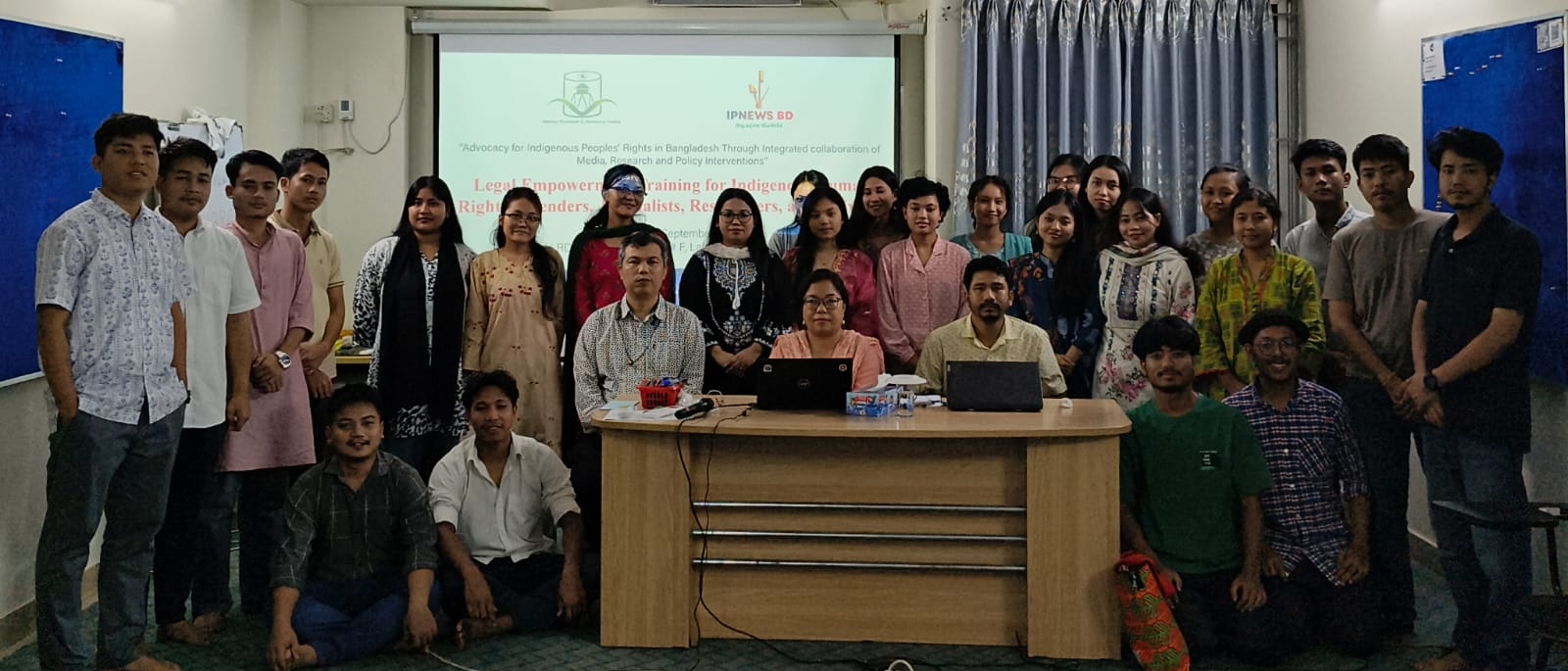
25–26 September 2026 | Bangladesh
Sorong Research and Resource Centre, in collaboration with IPNEWS BD, organized a two-day long “Legal Empowerment Training for Indigenous Human Rights Defenders, Journalists, Researchers and Activists” on 25–26 September 2026. The training was organized under the theme:
“Advocacy for Indigenous Peoples’ Rights in Bangladesh through Integrated Collaboration of Media, Research and Policy Intervention.”
The training aimed to strengthen the knowledge and capacity of Indigenous youth working in the areas of human rights, journalism, research, advocacy and community development. It provided participants with an opportunity to learn about the historical, legal and political dimensions of Indigenous peoples’ rights in Bangladesh, as well as practical approaches to human rights documentation, reporting and advocacy.
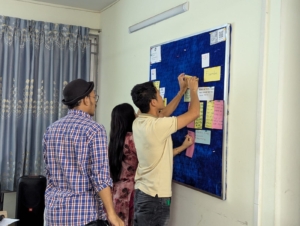
Participation
A total of 22 Indigenous youth from diverse backgrounds and different geographical regions of Bangladesh participated in the training. Among them, 14 were Indigenous female and 8 were male, reflecting a strong participation of Indigenous women in the capacity-building initiative.
The participants included human rights defenders, journalists, researchers, activists and young people engaged in Indigenous rights and community-based initiatives.
Day One: Historical and Legal Foundations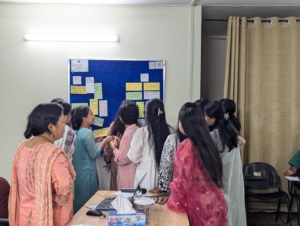
The first day focused on developing participants’ understanding of the historical and legal context of Indigenous peoples’ rights in Bangladesh.
The sessions covered the geographical and political history of CHT from the sixteenth century to the present, providing participants with a broader understanding of the historical developments that have shaped contemporary political and social relations.
Participants also learned about the Chittagong Hill Tracts Regulation, 1900, including its historical significance and continuing relevance to the protection of Indigenous peoples’ rights and traditional systems of governance in the Chittagong Hill Tracts.
Another session explored the history of Plainland Indigenous rights movements in Bangladesh, highlighting the struggles and advocacy initiatives of Indigenous communities in different parts of the country.
The day also included a discussion on the State Acquisition and Tenancy Act, 1950, with particular attention to its relevance to land ownership, tenure and the rights of Indigenous communities.
Through these sessions, participants gained a foundational understanding of the historical and legal frameworks necessary for engaging in Indigenous rights advocacy and policy discussions.
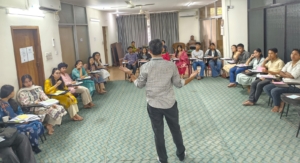
Day Two: CHT Accord, Human Rights Documentation, Women’s Rights and International Mechanisms
The second day focused on contemporary Indigenous rights issues, human rights documentation and international advocacy mechanisms.
A key session examined the Chittagong Hill Tracts Accord of 1997, including its background, key provisions and significance for the political, administrative and legal rights of Indigenous peoples in the Chittagong Hill Tracts.
Participants were also introduced to human rights documentation and reporting, with discussions on the importance of systematic information gathering, verification, documentation and reporting of human rights violations. The session emphasized the role of accurate and credible documentation in advocacy, media reporting, research and engagement with relevant institutions.
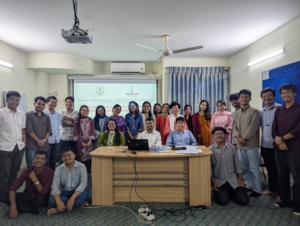
A dedicated session focused on women’s rights and the participation of indigenous women in international human rights mechanisms. The discussion highlighted the importance of strengthening Indigenous women’s participation in human rights advocacy and international platforms.
The final sessions introduced participants to Indigenous peoples’ rights within United Nations mechanisms, including relevant UN processes and mechanisms available for Indigenous peoples and human rights defenders. Participants also discussed the United Nations Declaration on the Rights of Indigenous Peoples (UNDRIP) and its significance as an international framework for advancing Indigenous peoples’ rights.
Related Knowledges
The growing importance of wellbeing among students
February 3, 2025
In recent years, the concept of wellbeing has gained significant prominence in the educational agendas…
‘Kindness’ chosen as Children’s Word of the Year 2024
February 3, 2025
Young people from across the UK have chosen ‘kindness’ as our Children’s Word of the…
How we created a curriculum for sustainability
February 3, 2025
We assembled a team of experts from within OUP and from our partners around the…